Equipment rental differs from space rental in one fundamental way: the asset itself changes location and leaves your direct control. A storage space stays put while renters come to it. A rented drill, a rented camera kit, a rented pressure washer goes home with the renter and comes back to you later -- or doesn't, or comes back damaged. That single difference creates handoff logistics and damage/loss risk that peer-to-peer equipment rental platforms are built around, and that a fixed space simply doesn't have to deal with. This article covers how this asset class actually works, priced and protected differently than storage hosting.
This assumes you understand general sharing-economy host economics already. This introduces the equipment-specific version of that business.
What Categories of Equipment Perform Well
Three broad categories show up repeatedly on peer-to-peer equipment platforms, each with a different demand driver.
Construction and power tools. High, recurring demand from both DIY homeowners tackling occasional projects and small contractors filling equipment gaps without buying. Demand here is driven by project frequency in your local market -- an area with active home renovation or small construction activity supports this category well.
Outdoor and recreational gear. Camping, sports, and outdoor equipment that people use occasionally but don't want to own outright -- tents, kayaks, specialty sports gear. Demand is seasonal and tied to local outdoor recreation culture, similar in pattern to how RV storage demand tracks regional travel culture.
Photography and event equipment. Cameras, lighting, audio-visual gear for one-off shoots or events. Demand is driven by local creative and event activity -- a market with active freelance photography, video production, or a steady stream of events supports this category.
What drives the differences between them: frequency of use, wear per rental, and how forgiving the equipment is of imperfect handling. Power tools see frequent use and real wear but are generally robust. Recreational gear sees seasonal spikes and moderate wear. Photography equipment is high-value, low-wear-tolerance, and demands the most careful handling and documentation of the three. Match your own equipment and risk tolerance to the category before committing to this as a business line.
How Pricing Works Differently From Space Rental
Storage space rents monthly. Equipment rents daily or per-use, and that difference changes the entire pricing logic.
Per-use or daily pricing means charging by rental period rather than a flat monthly rate -- a day rate, sometimes an hourly rate for shorter-duration equipment. This mirrors Turo's model far more than it mirrors Neighbor's, since both equipment and vehicles are assets that leave your control for a discrete period rather than being occupied continuously by one renter over a month.
Pricing has to account for wear per rental, not just calendar occupancy. A storage space doesn't wear out from being occupied -- it just sits there. Equipment wears with every use. Your day rate needs to cover not just the opportunity cost of the equipment being unavailable, but the actual physical depreciation each rental imposes. Underpricing relative to real wear is one of the most common mistakes in this category, covered in detail below.
Research category-specific comparables, not general rental comparables. What a power tool rents for per day and what a camera kit rents for per day follow completely different logic tied to replacement cost, wear sensitivity, and local demand -- treat each category's pricing research separately.
Handoff Logistics: The Core Mechanical Difference
Because the equipment leaves your control, handoff -- the exchange point where the item transfers to and from the renter -- is the central logistics problem this asset class has that space rental doesn't.
Pickup versus delivery. Renter pickup is simpler for you but puts more of the handoff process on the renter's initiative and your availability to meet them. Delivery adds a service layer -- more convenient for the renter, more time cost for you, and often justifies a premium, particularly for higher-value equipment where you'd rather personally hand it off and inspect it going both directions than trust an unsupervised pickup arrangement.
Condition documentation before and after every single rental. This is not optional, and it's the practice most directly borrowed from established sharing-economy asset protection. Photograph the equipment's condition before handoff and again at return, every time, without exception. A rental without this documentation is a rental with no defense if a dispute arises over pre-existing versus rental-caused damage.
Verify functionality, not just appearance, at handoff. For equipment specifically -- unlike a storage space -- functional condition matters as much as cosmetic condition. A power tool that looks fine but has a developing mechanical issue is a different problem than a scuff on a garage wall. Test that equipment actually works at handoff, both to protect yourself and to give the renter a fair start.
Why Damage, Loss, and Liability Risk Differs From Space Rental
A storage host's risk is largely about what happens to a fixed asset sitting still. An equipment host's risk is about what happens to a mobile asset actively being used, off-site, by someone else -- a meaningfully different and generally higher risk profile.
Damage risk is active, not passive. Storage space damage risk is largely about what a renter stores or how they access it. Equipment damage risk is about how the item performs under actual use, away from you, in conditions you can't observe. This is closer to the vehicle-rental risk profile than the storage-rental risk profile.
Loss risk is real in a way it isn't for storage. A rented storage space can't be lost -- it's fixed in place. A rented power tool or camera can be lost, misplaced, or simply not returned. This is a risk category storage hosting essentially doesn't have.
Liability exposure depends on the equipment. Some equipment carries injury risk if misused -- power tools, certain outdoor gear -- introducing liability considerations that a passive storage space generally doesn't. What protections cover this varies significantly by platform and equipment category, and specific terms change, so confirm current platform protection and coverage limits directly rather than assuming.
Replacement value coverage matters more here than in storage. Replacement value coverage means the protection actually covers what it would cost to replace the specific item, not a generic or capped amount that falls short of your equipment's real value. Confirm this specifically for higher-value items before listing -- a platform's standard protection tier may not adequately cover a professional camera kit or specialized construction equipment, the same gap covered in Neighbor.com host earnings guide discussions of coverage limits for storage, but more consequential here given equipment's active-use risk. A sharing economy insurance broker with experience in equipment rental specifically can help close any gap between platform protection and your equipment's actual replacement cost.
The Before/After Documentation Checklist
Run this at every single handoff, both directions, without exception:
Before handoff:
1. Photograph the equipment from multiple angles, showing overall condition. 2. Photograph any existing wear, marks, or cosmetic imperfections up close. 3. Test and confirm full functionality, noting the confirmation. 4. Note serial numbers or identifying marks if applicable. 5. Confirm accessories and components included are complete and documented.
At return:
1. Repeat the same photo sequence, same angles, for direct comparison. 2. Test functionality again before considering the rental closed. 3. Inspect closely for any new damage against the before photos. 4. Confirm all accessories and components came back. 5. Address any discrepancy immediately, through the platform, not informally.
This mirrors the exact discipline covered in Turo host chargeback protection -- timestamped, matched before-and-after documentation is what wins a dispute, and its absence is what loses one. The principle transfers directly from vehicles to equipment: any asset that leaves your control needs this documentation habit as a non-negotiable part of every single transaction, not an occasional precaution.
Modeling Utilization and Depreciation Like a Vehicle Host Would
This is the mental shift equipment hosts need to make, and it's a direct parallel to how a Turo host thinks about fleet economics rather than how a storage host thinks about occupancy.
Utilization rate matters, but so does wear per use. A storage space's utilization rate only measures occupied time -- more occupied time is straightforwardly better, with no offsetting cost. Equipment's utilization rate has to be weighed against cumulative wear, because every rental both earns you money and consumes some of the equipment's useful life. High utilization is good, but it also means faster depreciation, and your pricing has to reflect that trade rather than treating utilization as costless the way storage occupancy essentially is.
Depreciation curve varies sharply by equipment type. Robust construction equipment might tolerate heavy rental use with a gradual depreciation curve. Delicate or high-wear-sensitivity equipment (certain photography gear, precision tools) can depreciate much faster under frequent rental use than the same item would under occasional personal use. Model this per equipment type, not as a generic assumption.
Replacement planning is part of the economics. Because equipment wears out and eventually needs replacing, part of your rental income should be mentally (or literally) allocated toward eventual replacement cost -- similar to how a Turo host should think about a vehicle's eventual resale or retirement, not just its current monthly cash flow.
Worked Example One: Construction Equipment With Meaningful Wear
A piece of power equipment -- say, a pressure washer or a larger power tool -- with real per-use wear.
The pricing logic: the day rate has to cover both the opportunity cost of unavailability and a meaningful wear allowance, since frequent rental use accelerates this equipment's depreciation compared to occasional personal use. Underpricing relative to real wear means you're subsidizing renters with your equipment's declining resale value, invisibly, until replacement time arrives and the true cost becomes obvious all at once.
The utilization tradeoff: high utilization generates strong rental income but also accelerates the equipment toward replacement faster than low utilization would. This isn't necessarily bad -- more rentals mean more income to fund that eventual replacement -- but it needs to be modeled explicitly rather than assumed away.
The documentation stakes: functional condition matters enormously here, since a renter using power equipment improperly can cause damage that's not immediately visible cosmetically. The before/after functional test, not just photos, is essential for this category specifically.
Worked Example Two: Lower-Wear Recreational Gear
A piece of outdoor recreational equipment with lighter per-use wear -- camping gear, for instance.
The pricing logic: wear allowance is a smaller component of the day rate here, since the equipment tolerates rental use with less cumulative degradation than heavy power equipment. Pricing can lean more toward the opportunity-cost and demand side of the equation and less toward a heavy wear buffer.
The seasonal factor: unlike the construction equipment example, this category often carries real seasonality -- strong demand in peak outdoor recreation season, weak demand off-season, similar in shape to the seasonal pattern covered for RV storage. Model income across a full year's seasonal curve, not off a strong peak-season month.
The lighter documentation stakes, still non-negotiable: lower wear risk doesn't mean no documentation discipline -- it means the primary risk shifts more toward loss and cosmetic damage than functional failure, so the same before/after photo habit still matters, just with slightly less emphasis on functional testing than the power-equipment example.
Common Mistakes
Underpricing relative to real wear and depreciation. The most consequential mistake, because it's invisible until replacement time. A day rate that only covers opportunity cost, ignoring cumulative wear, quietly erodes your equipment's value with every rental until you're surprised by a replacement cost your rental income never actually funded.
Inadequate before/after documentation. Skipping photos or functional tests to save a few minutes per handoff is the same false economy covered extensively in Turo documentation discipline -- the time saved is trivial next to the cost of an undocumented, disputed damage claim.
Not confirming replacement value coverage for the specific item. Assuming standard platform protection covers your equipment's actual replacement cost without checking. Higher-value or specialized equipment is exactly where this gap most often surfaces, and it surfaces at the worst possible moment -- after a loss, not before.
Treating equipment rental like storage hosting. Applying storage-hosting assumptions (fixed asset, low active risk, monthly pricing logic) to a fundamentally different, more active-risk asset class. The mental model has to shift toward vehicle-rental thinking -- utilization plus wear plus depreciation -- not carry over from space hosting.
Skipping category-specific demand validation. Assuming a category performs well because it seems popular generally, without checking actual local comparable listings' pricing and apparent activity for that specific equipment type in your market.
When Equipment Rental Isn't a Good Fit
Be honest about the disqualifying case: highly specialized or fragile equipment where damage risk and replacement cost make the economics unfavorable regardless of demand.
Some equipment simply carries too much risk relative to its rental income potential -- precision instruments, extremely fragile gear, or highly specialized items with very high replacement cost and very low tolerance for the imperfect handling that inevitably comes with renting to people who don't own and aren't as careful with the item as you would be. Even with strong documentation and adequate coverage, the frequency and cost of disputes or losses on this kind of equipment can exceed what rental income justifies.
Before committing specialized or fragile equipment to peer-to-peer rental, honestly weigh replacement cost against realistic rental income and realistic damage/loss frequency for that specific item type. If the math doesn't clear comfortably even in a reasonable-case scenario, that equipment may be better kept out of the rental pool regardless of demand -- some assets are simply not suited to this business model, however appealing the potential income looks on paper.
Frequently Asked Questions
How does liability typically work if a renter is injured using rented equipment?
This varies significantly by platform, equipment category, and jurisdiction, so confirm current platform terms directly rather than assuming. Some equipment categories carry more inherent injury risk (power tools especially) and warrant extra scrutiny of what liability coverage actually applies and what your own exposure might be beyond platform protection. This is a genuine case for consulting a sharing economy insurance broker with equipment-specific experience before listing higher-risk items.
Is delivery/pickup more effective than requiring renter pickup for higher-value equipment?
Often yes, particularly for higher-value or fragile items, since handling the handoff yourself lets you personally inspect the equipment going both directions rather than trusting an unsupervised exchange. It costs you time and typically justifies a service premium, but for equipment where damage or loss risk is meaningful, the control it gives you over the documentation and condition-check process is often worth the added effort.
How is equipment rental pricing different from tool and equipment rental income in general?
This article covers the peer-to-peer platform mechanics specifically -- pricing logic, handoff, and risk management. The broader tool and equipment rental income guide covers the wider economics of this business line, including how it fits alongside other income sources. Read both together if you're evaluating whether to enter this category at all.
Should I price differently for weekday versus weekend rentals?
Many equipment categories see demand concentrate around weekends (DIY projects, recreational use, events), which can justify weekend pricing at a premium similar to how many rental markets price peak-demand periods higher. Check your specific category's actual demand pattern through local comparable listings rather than assuming a generic weekday/weekend split applies uniformly.
What happens if equipment is returned with damage the renter disputes?
This is exactly why the before/after documentation discipline matters so much -- timestamped, matched photos and functional test records are what resolve a disputed claim in your favor. Report any issue through the platform promptly rather than trying to resolve it informally with the renter, mirroring the same claims-process logic covered for Turo disputes.
Does equipment rental require more insurance than storage hosting?
Generally yes, given equipment's active-use risk, loss potential, and in some cases injury liability -- all risk categories storage hosting largely doesn't carry. Confirm platform protection limits against your specific equipment's replacement value, and consider additional coverage for higher-value or higher-risk items rather than assuming platform-standard protection is automatically sufficient.
Can I combine equipment rental with other sharing-economy income lines?
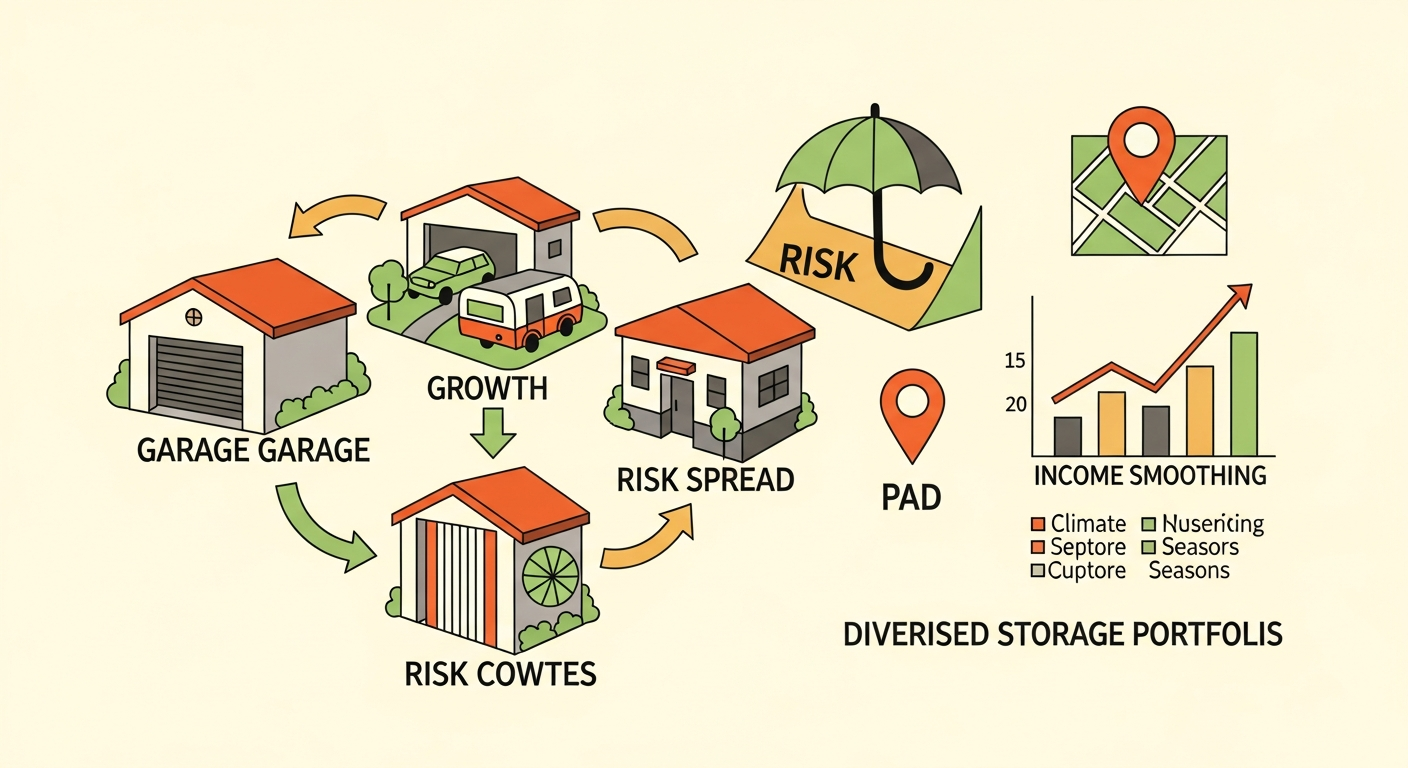
Yes, and many operators do -- equipment rental, storage hosting, and even a warehouse space sharing marketplace line can complement each other within a broader self storage host diversification strategy approach, since they carry different demand drivers and risk profiles that can offset each other. Just evaluate each line's specific economics on its own terms rather than assuming success in one predicts success in another -- the risk and pricing logic genuinely differ, as this article covers.
The Takeaway
Peer-to-peer equipment rental platforms are a genuinely different asset class from space rental, because the equipment leaves your control and creates handoff logistics, active-use damage risk, and loss risk that a fixed storage space simply doesn't carry. Price to cover real wear and depreciation, not just opportunity cost; document every handoff before and after with the same discipline Turo hosts use for vehicles; and confirm platform protection actually covers your specific equipment's replacement value before you list it. Where damage risk and replacement cost don't clear comfortably against realistic rental income, that equipment may not belong in the rental pool regardless of how strong the demand looks.